
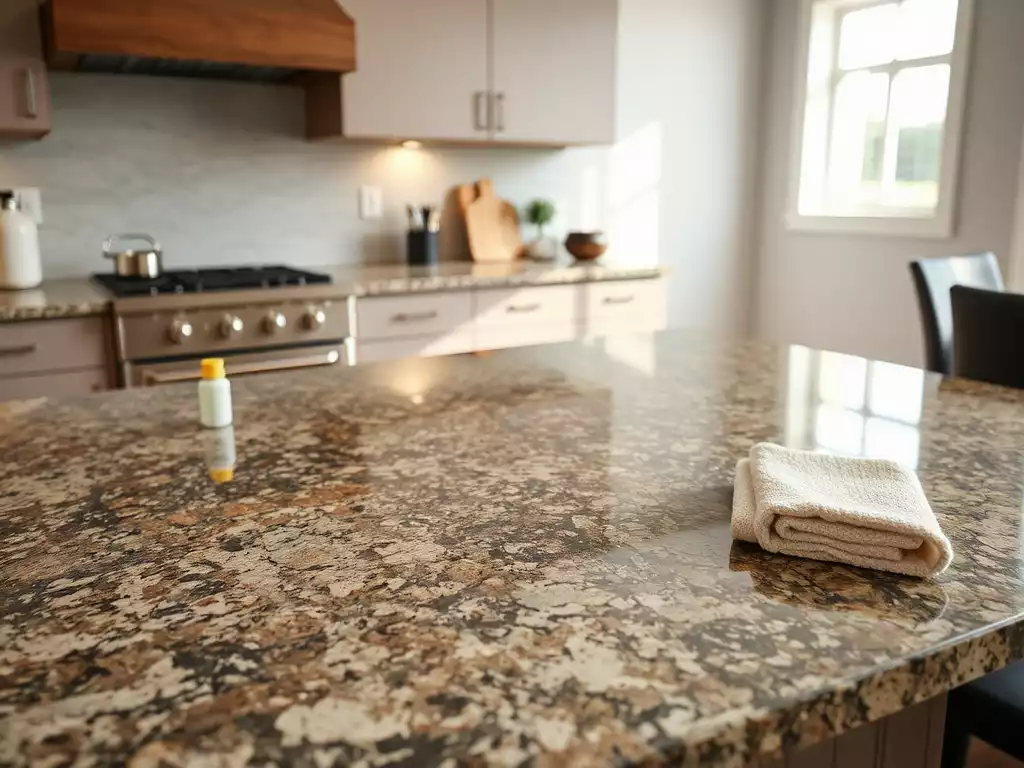
Sealing your granite countertops is more than just a maintenance task; it's a crucial investment in the longevity and beauty of one of your home’s most significant elements. How often do you consider the hidden costs of neglecting proper care?
What You Will Learn
- Sealing granite countertops protects against stains, extending their lifespan and maintaining aesthetic appeal.
- Proper sealing enhances the natural beauty of the stone, ensuring vibrant colors and patterns shine through.
- Neglecting to seal can lead to serious issues like cracks, stains from spills, and bacterial growth.
- Regular maintenance becomes easier with sealed countertops, saving time and effort in cleaning.
Why Sealing Granite Matters: Risks vs. Benefits
This visual highlights the critical differences between sealing and not sealing your granite countertops, focusing on longevity, aesthetics, and potential issues.
Benefits of Sealing Granite
- ✓Protection Against Stains: Prevents liquid penetration.
- ✓Enhanced Durability: Extends countertop lifespan.
- ✓Preserved Beauty: Keeps granite vibrant and shiny.
Risks of Not Sealing Granite
- ✗Stains: Highly susceptible to permanent discoloration.
- ✗Cracks: Moisture weakening the stone structure.
- ✗Bacterial Growth: Porous surfaces harbor microbes.
Understanding the Importance of Sealing Granite Countertops
As someone who has spent years working with granite countertops, I can’t stress enough how crucial it is to seal your granite. Sealing not only protects the surface from stains but also enhances its longevity and maintains its stunning appearance. Think of sealing as a shield that keeps the beauty of your countertops intact while preventing damage from spills and everyday wear.
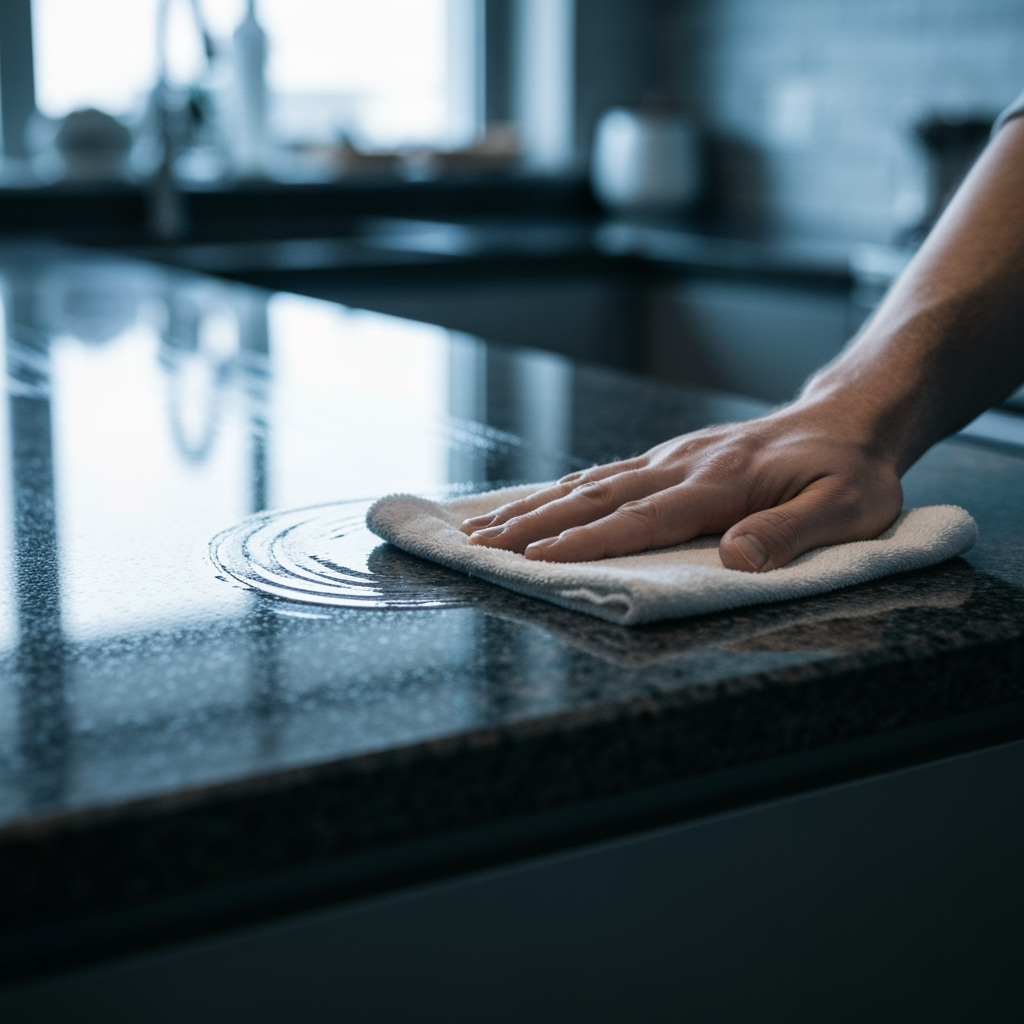
Granite is a porous material, meaning it can absorb liquids if not properly sealed. By sealing your countertops, you’re ensuring that they can withstand the rigors of daily life, from wine spills to hot pots. This simple step can save you a lot of headaches and repairs in the long run! For further reading on the chemical composition of granite and its porosity, you can refer to insights from The Natural Stone Institute.
Why Sealing Granite Matters for Longevity and Aesthetics
One of the main reasons to seal granite countertops is to keep them looking great for years. An effective sealant can enhance the natural colors and patterns of the stone, making your kitchen or bathroom an inviting space. Plus, a well-sealed countertop can resist scratches and stains, which means you won't have to worry about unsightly marks ruining the look. For more details on how sealing contributes to granite's lifespan, reputable sources like Stonecare.com offer extensive guides.
- Protection Against Stains: Sealing creates a barrier that prevents liquids from penetrating the surface.
- Enhanced Durability: A good sealant extends the life of your granite, reducing wear and tear.
- Preserved Beauty: Sealing enhances the natural beauty of the stone, keeping it vibrant and shiny.
When you invest in sealing your granite, you’re also investing in the overall aesthetic of your space. It helps maintain your countertops' sleek and polished look, which ultimately contributes to the value of your home.
Common Risks of Not Sealing Your Granite
Neglecting to seal your granite countertops can lead to a host of problems that can be both damaging and costly. Without a proper seal, liquids can seep into the granite, causing stains that are often hard or impossible to remove. This is especially true for substances like red wine, coffee, and oily foods. You can learn more about the challenges of sealing granite countertops and why it's crucial for preventing these issues.
- Stains: Unsealed granite is highly susceptible to staining.
- Cracks: Moisture can weaken the structure, leading to cracks over time.
- Bacterial Growth: Porous granite can harbor bacteria if not sealed, posing potential health risks.
Additionally, maintaining unsealed granite can be a much bigger challenge. You might find yourself scrubbing harder to remove stains or dealing with a dull appearance that no amount of cleaning can fix. By sealing your countertops, you set yourself up for easier maintenance and a more gorgeous finish!
Pro Tip
Did you know? To ensure the longevity of your seal, consider reapplying it every 1-3 years, depending on the usage of your countertops. Regular checks for water absorption can also help you determine when it's time for a new seal!
Frequently Asked Questions About Sealing Granite Countertops
- Q: Why is sealing granite countertops important?
- A: Sealing granite countertops is crucial because granite is a porous material that can absorb liquids. Sealing creates a protective barrier, preventing stains, enhancing durability, and preserving the stone's natural beauty and longevity.
- Q: What are the main benefits of sealing granite?
- A: The main benefits include protection against stains, enhanced durability that extends the countertop’s lifespan, and preserved beauty by keeping the granite vibrant and shiny. It also makes routine cleaning and maintenance easier.
- Q: What are the risks of NOT sealing granite countertops?
- A: Neglecting to seal granite can lead to several problems: high susceptibility to permanent stains (especially from liquids like red wine or coffee), moisture weakening the stone structure and causing cracks, and the potential for porous surfaces to harbor bacteria, posing health risks.
- Q: How often should I reseal my granite countertops?
- A: While the frequency can vary based on usage, it is generally recommended to reseal granite countertops every 1-3 years. Regular checks for water absorption can help determine the ideal time for reapplication.
- Q: Can sealing granite countertops prevent bacterial growth?
- A: Yes, sealing creates a non-porous surface barrier that prevents liquids and food particles from seeping into the granite, thereby reducing the places where bacteria can grow and multiply.
Conclusion: Making Informed Choices for Your Granite Countertops
Throughout this guide, we’ve explored the importance of sealing granite countertops to ensure their longevity and aesthetic appeal. By investing time and effort into proper sealing, you can prevent stains and damage while enhancing the natural beauty of your granite. Remember, maintaining your countertops doesn't just protect your investment; it also enhances the overall look of your kitchen or bathroom!

Taking the necessary steps to seal your granite correctly can make a world of difference. From understanding the various types of sealers to following the right application techniques, this knowledge enables you to enjoy your countertops for years to come. If you’re unsure or need assistance, don’t hesitate to reach out to a professional for help.
Call to Action: Start Protecting Your Investment Today
Now that you're armed with the knowledge to seal your granite countertops, I encourage you to gather your supplies and get started! Whether you choose to seal it yourself or consult with a professional, taking action is key. Here are a few things you can do right now:
- Gather your cleaning supplies and the appropriate granite sealer.
- Follow the step-by-step guide provided to ensure a successful sealing process.
- Feel free to reach out with any questions or to share your sealing experience in the comments below!
Protecting your granite countertops is a simple yet effective way to maintain their beauty and functionality. Let's keep those surfaces looking gorgeous together!
Recap of Key Points
Here is a quick recap of the important points discussed in the article:
- Sealing is Essential: Sealing granite countertops protects against stains and enhances longevity.
- Maintain Aesthetics: A good sealant preserves the natural beauty and shine of granite.
- Prevent Damage: Proper sealing prevents stains, cracks, and bacterial growth.
- Easier Maintenance: Sealed countertops require less effort to clean and maintain.
- Professional Help: Don't hesitate to consult a professional if unsure about sealing.